The AITECH Conference
The Maritime Standard AITech Conference 2026
24 November 2026 | Taj Exotica Resort, Dubai, UAE
Blog
March 2026
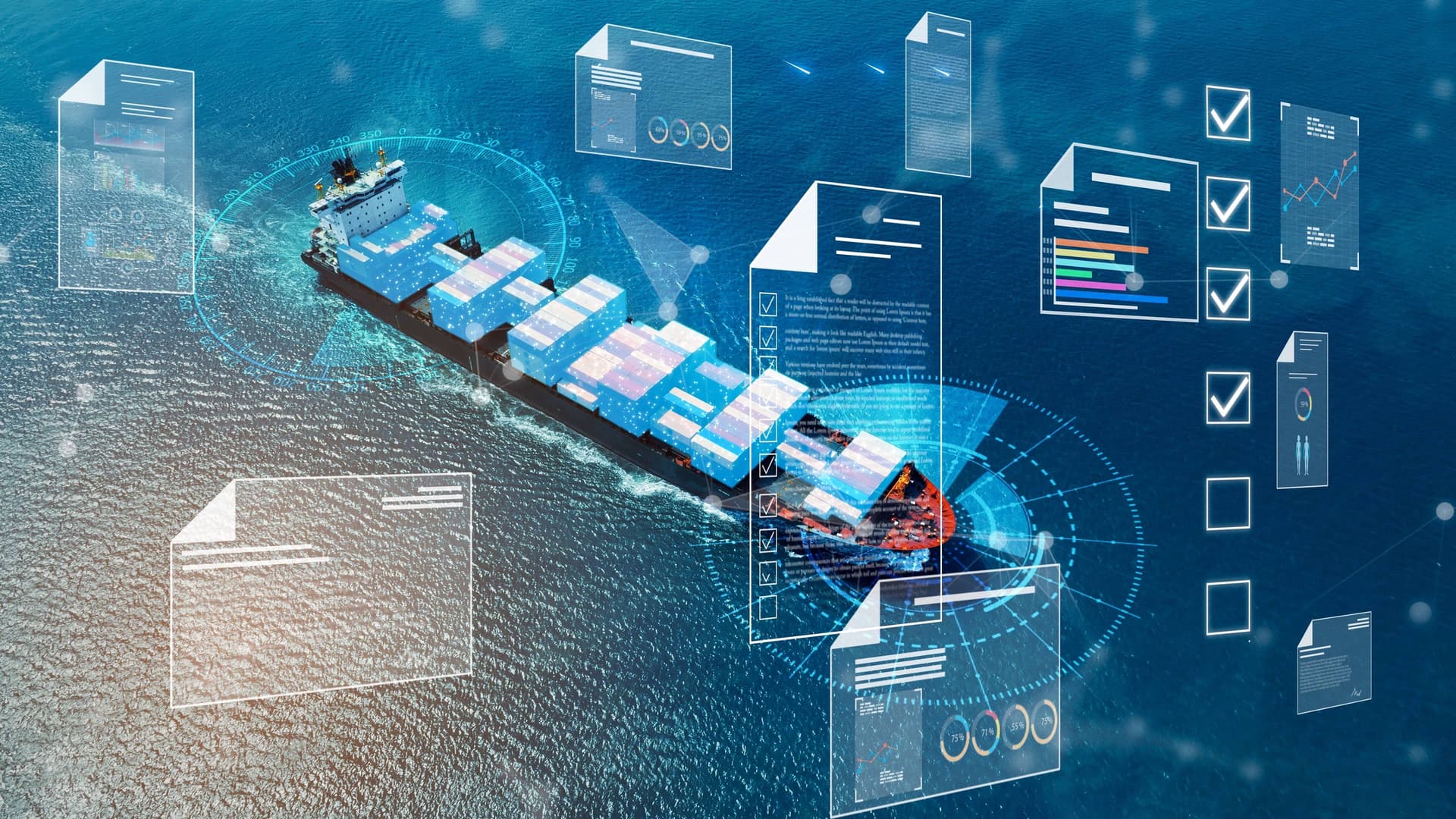
AI-Powered Supply Chain Intelligence: Building Resilient, Real-Time Global Logistics
Global trade no longer operates in calm waters. Disruptions are not anomalies. They are constants.
Geopolitical tensions shift trade routes overnight. Extreme weather events disrupt port schedules. Fuel price volatility alters voyage economics. Regulatory updates redefine compliance obligations mid-quarter.
In this environment, static supply chain planning is insufficient. The modern logistics ecosystem requires real-time decision intelligence.
AI-powered supply chain management is rapidly becoming the backbone of resilient global trade.
From Forecasting to Continuous Adaptation
Traditional supply chains relied heavily on historical forecasting models. While useful, these models assumed relative stability.
AI introduces continuous adaptation.
Machine learning algorithms ingest real-time data streams including:
- AIS vessel tracking
- Satellite weather intelligence
- Port congestion indicators
- Customs processing timelines
- Freight rate fluctuations
- Geopolitical risk signals
Instead of producing periodic forecasts, AI systems constantly recalculate optimal logistics strategies.
When a port experiences congestion, the system identifies alternatives. When severe weather threatens a shipping corridor, dynamic routing algorithms adjust voyage plans. When fuel prices spike in specific regions, cost-efficient refuelling alternatives are recommended.
This is logistics as a living system.
Dynamic Routing and Fuel Optimisation
Route optimisation powered by AI balances multiple objectives simultaneously:
- Delivery timelines
- Fuel efficiency
- Emissions targets
- Port availability
- Charter commitments
By analysing weather forecasts, sea currents, vessel performance history, and cargo urgency, AI identifies routes that reduce fuel burn without compromising delivery obligations.
Green shipping corridors gain operational substance when underpinned by predictive analytics.
For fleet operators, this means:
- Lower bunker costs
- Reduced carbon intensity
- Improved schedule reliability
- Enhanced sustainability reporting
Fuel optimisation and emissions reduction are no longer compliance burdens. They become algorithmic outcomes.
At the TMS AI Tech Conference 2026, industry experts will examine how AI-driven routing platforms are aligning decarbonisation with commercial competitiveness.
End-to-End Visibility and Transparency
In global trade, opacity generates risk. Cargo owners demand real-time updates. Regulators require compliance traceability. Investors seek data-backed ESG reporting.
AI-powered logistics platforms provide integrated dashboards that unify sea, air, rail, and road data streams.
Predictive analytics forecast delays before they materialise. Smart alerts notify stakeholders proactively. Blockchain-integrated systems ensure document authenticity and tamper resistance.
This level of transparency builds trust across the supply chain ecosystem.
Trust reduces friction. Reduced friction accelerates trade.
Disruption Management as Strategic Capability
Consider the cascading impact of a single disrupted port. Containers accumulate. Vessel schedules shift. Downstream logistics contracts strain. Warehousing costs rise.
AI systems model cascading effects instantly.
They simulate secondary impacts across interconnected networks. They recommend contingency strategies. They optimise resource allocation dynamically.
Disruption management evolves from reactive crisis response to predictive strategy execution.
For multinational corporations dependent on complex supply chains, AI-powered logistics intelligence becomes a board-level strategic asset.
Data as Competitive Advantage
Supply chain intelligence generates high-value data. Voyage performance metrics, delay probabilities, route efficiency analytics, emissions data, and cargo movement patterns collectively form a powerful decision asset.
Organisations that harness this data responsibly gain competitive insight into:
- Cost optimisation
- Risk exposure
- Sustainability positioning
- Contract negotiation leverage
Data literacy and AI integration are no longer optional capabilities. They define future competitiveness.
The TMS AI Tech Conference 2026 provides a strategic platform for logistics leaders, maritime operators, policymakers, and technology innovators to align on scalable AI deployment across global transport networks.
On 24th November 2026, the conversation moves beyond digital transformation buzzwords toward actionable intelligence frameworks.
If your organisation is navigating supply chain volatility, regulatory pressure, decarbonisation mandates, or digital integration challenges, this is the forum where clarity emerges.
Global logistics is becoming intelligent, adaptive, and transparent.
The leaders who embrace AI-powered supply chain transformation today will define the reliability and resilience of tomorrow’s trade corridors.
Secure your delegate seat at the TMS AI Tech Conference 2026 and participate in shaping the intelligent architecture of global commerce.
Sponsors

Platinum Sponsor

Networking Reception
Multimedia
Delegate Bags
Valet Parking
Platinum Sponsor
Networking Reception
Multimedia
Delegate Bags
Valet Parking
Platinum Sponsor
Networking Reception
Multimedia
Delegate Bags
Valet Parking
Platinum Sponsor
Networking Reception
Multimedia
Delegate Bags
Valet Parking